Discover the process behind refurbished phones in Kenya, from inspection and repair to testing and retail. Learn how refurbished smartphones are restored, graded, and made reliable for buyers.
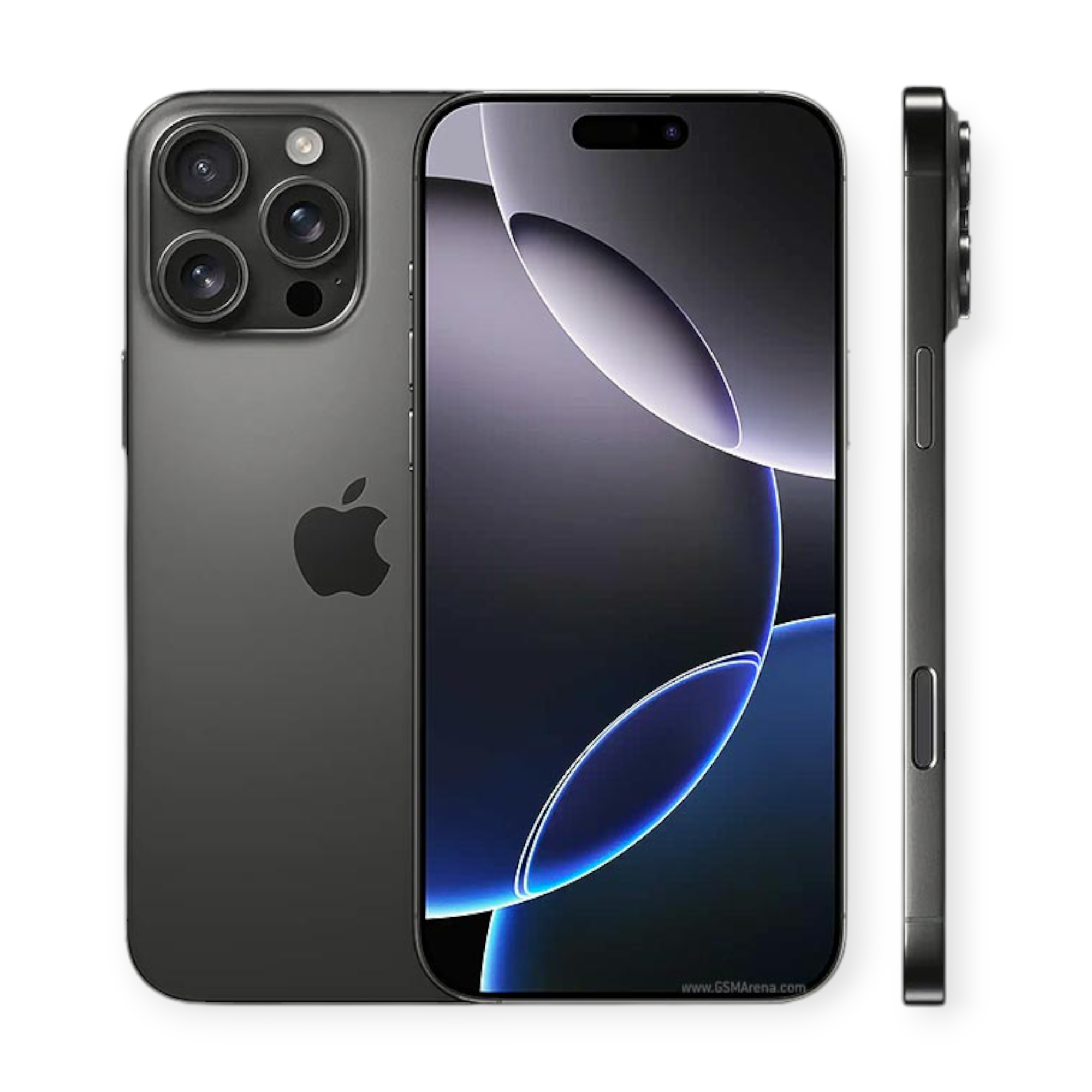
Smartphones have become an essential part of daily life in Kenya, but with new models being released every year and prices climbing higher, many buyers are exploring alternative options. One of the most trusted solutions is refurbished phones—devices that have been restored, tested, and certified for resale.
But what actually happens before a refurbished phone makes its way back to the market? Let’s break down the process behind refurbished phones, from repair to retail, and why this option is quickly becoming a favorite among Kenyan consumers.
Refurbished phones are not the same as simple second-hand or used devices. Unlike used phones that are sold “as-is” from one owner to another, refurbished phones undergo a comprehensive inspection, repair, and testing process before being resold.
To better understand the difference, check out this detailed comparison: Difference Between Refurbished and Used Phones.
Kenya’s smartphone market is expanding, but affordability remains a key factor for buyers. Brand-new flagship phones like iPhones and Samsung Galaxy models often come with steep price tags. Refurbished options, however, allow buyers to enjoy advanced features at a fraction of the cost.
For a deeper dive into the advantages, read: Refurbished vs. New Phones.
The path from an old, returned, or faulty phone to a retail-ready refurbished model is detailed and structured. Below is the step-by-step process behind refurbished phones:
The process begins when phones are collected from different sources, such as:
Customer returns within warranty periods
Trade-in programs where customers upgrade to new devices
Bulk purchases from carriers or companies replacing employee phones
Technicians first perform a visual inspection to check for cracks, water damage, missing parts, or significant wear.
Before any repairs are made, the phone’s data is securely erased. This protects previous owners’ privacy and ensures the next user receives a clean, factory-reset device.
Additionally, the phone’s IMEI number is checked against international and local databases to confirm that it’s not blacklisted or reported stolen.
Refurbishers conduct a multi-point diagnostic test to assess:
Battery health and charging capacity
Screen functionality and touch sensitivity
Camera performance
Speaker and microphone clarity
Network and connectivity functions (Wi-Fi, Bluetooth, 4G/5G)
Specialized software tools are often used to detect hidden faults that may not be visible during a simple inspection.
Phones that fail certain tests undergo necessary repairs and part replacements. For example:
Cracked screens are replaced with certified displays
Weak or swollen batteries are swapped out for new ones
Faulty charging ports are repaired
Damaged camera modules are fixed or replaced
Only genuine or high-quality parts are used in the refurbishment process to ensure performance remains close to new.
Beyond functionality, refurbishers also improve the phone’s appearance. This might include:
Polishing or replacing the outer casing
Fixing scratches on the body
Replacing worn-out buttons
This step is important for buyers who want their refurbished phones to look as close to new as possible.
Once repairs are complete, the phone undergoes another round of quality checks. This ensures:
All replaced components work flawlessly
The software runs smoothly with the latest updates
The device meets safety and performance standards
Phones are only approved for resale if they pass 100% of these quality assurance checks.
Refurbished phones are then graded based on their condition:
Grade A: Like new, with little to no signs of use
Grade B: Light scratches or cosmetic wear, but fully functional
Grade C: Noticeable wear but affordable and functional
Buyers in Kenya can find all three grades, depending on their budget and preference.
Finally, the phone is repackaged for retail. While it may not always come in the original manufacturer box, it is typically provided with:
A compatible charger
A charging cable
Sometimes earphones or protective cases
The device is now ready for resale, either in stores or through certified online platforms such as Refurbished Phones in Kenya.
Understanding the refurbishment process highlights several benefits:
Reliability: Every phone undergoes rigorous testing before resale.
Affordability: Buyers can save up to 50% compared to new models.
Sustainability: Extending the life of smartphones reduces e-waste.
Peace of Mind: Many refurbished phones come with warranties and return policies.
Unlike used phones, which are sold in their current condition, refurbished phones undergo a structured, transparent process. This ensures that buyers get value for money and a phone that performs reliably.
To see the detailed differences, visit: Difference Between Refurbished and Used Phones.
The demand for refurbished smartphones in Kenya is expected to rise as more consumers become aware of their value. Trusted platforms like Refurbished Phones in Kenya are playing a key role in making quality refurbished phones accessible nationwide.
With warranties, grading systems, and transparent processes, refurbished phones are no longer seen as a risky alternative—they are now a smart and sustainable choice for Kenyan buyers.
The process behind refurbished phones—from collection and repair to testing and retail—is what sets them apart from used devices. For Kenyan consumers, this means affordable access to high-quality smartphones, reduced environmental impact, and the reassurance of reliability.
As more people embrace this growing market, refurbished phones are poised to become one of the most trusted ways to stay connected in 2025 and beyond.
Hello! How can we help you today?
Start Chat