Differences Between Refurbished & Used Phones: A Comprehensive Guide for Kenyan Buyers in 2025
In Kenya, smartphones are indispensable for communication, education, work, and entertainment, with over 50 million internet users in 2025. However, rising costs for new devices, driven by inflation and currency fluctuations, have pushed many Kenyans toward affordable alternatives like refurbished and used phones. These options provide significant savings while offering access to premium features from brands like Samsung, Apple, and Huawei. Yet, confusion often surrounds the terms “refurbished” and “used,” as they’re sometimes misused interchangeably.
This article explores the key differences between refurbished and used phones, covering their definitions, pros and cons, quality assurances, pricing, and tips for making an informed purchase in Kenya. Whether you’re a student in Kisumu, a professional in Nairobi, or a business owner in Mombasa, understanding these distinctions will help you choose the right device for your needs and budget. We’ll also highlight trusted sources like Refurbished Phones Kenya for quality devices, including refurbished Samsung phones and refurbished iPhones.
What Are Refurbished Phones?
Refurbished phones are pre-owned devices professionally restored to meet high-quality standards, often performing and appearing like new. These phones are typically returned to manufacturers or certified refurbishers due to minor defects, customer trade-ins, or lease returns. The refurbishment process includes:
- Rigorous Testing: Diagnostic checks on hardware components like the screen, battery, camera, and speakers to ensure full functionality.
- Repairs and Replacements: Faulty parts, such as degraded batteries or cracked screens, are replaced with genuine or high-quality components.
- Factory Reset: All previous user data is wiped, and the device is updated to the latest compatible software (e.g., Android 15 or iOS 18).
- Cosmetic Restoration: Exterior cleaning or casing replacement to minimize wear, with devices graded as:
- Grade A: Like-new, with minimal or no visible wear.
- Grade B: Slight cosmetic marks but fully functional.
- Grade C: Noticeable wear but reliable and affordable.
- Certification and Warranty: Reputable refurbishers provide quality certifications and warranties (typically 3-12 months), ensuring buyer confidence.
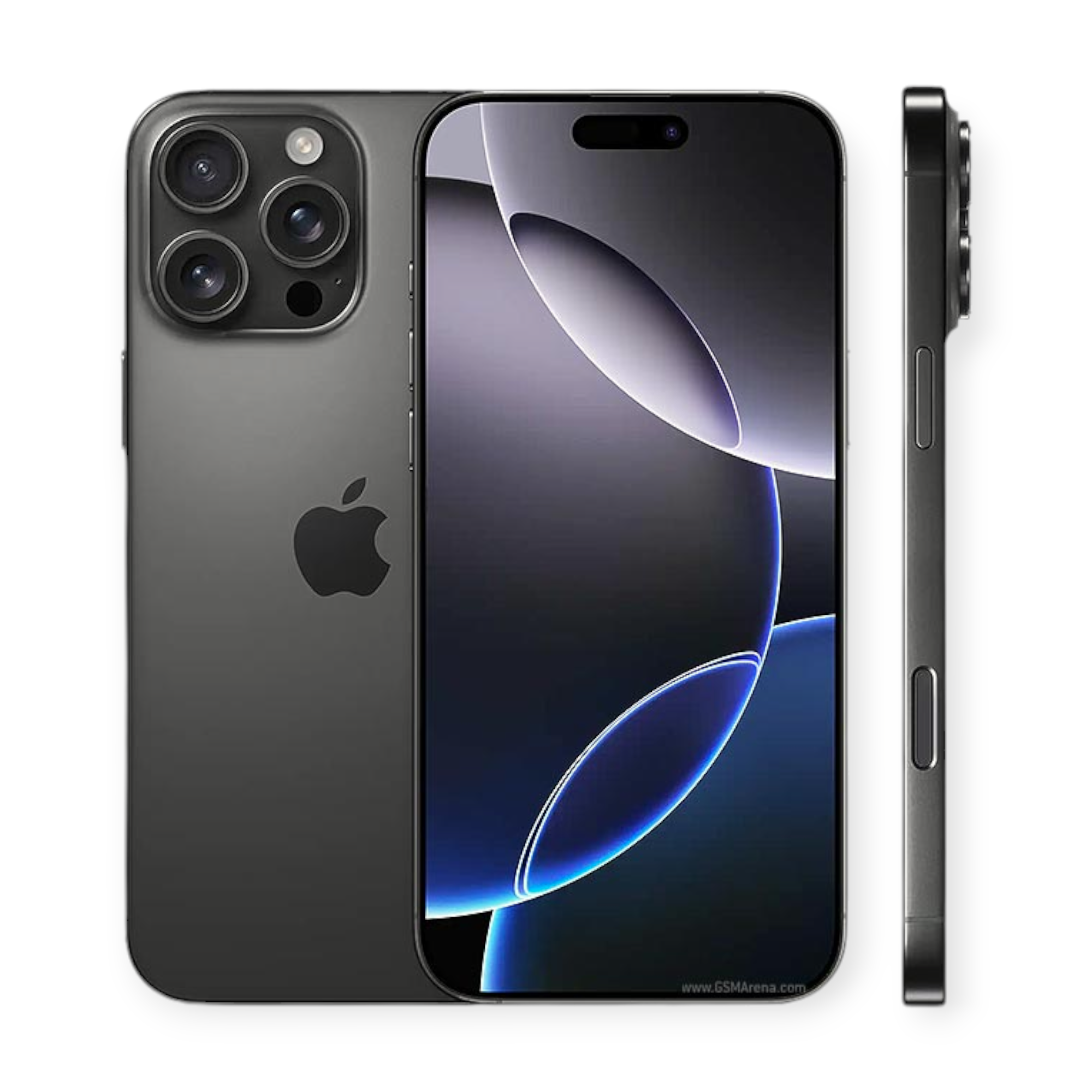
In Kenya, retailers like Refurbished Phones Kenya offer certified refurbished devices, including popular models like the Samsung Galaxy S23 Ultra and iPhone 14 Pro, with rigorous 25- to 147-point inspections.
What Are Used Phones?
Used phones, often called second-hand phones, are pre-owned devices sold in their current condition without professional restoration. They’re typically offered by individuals or small vendors through platforms like PigiaMe, Jiji, or local markets in Nairobi, Mombasa, or Eldoret. Key characteristics include:
- No Repairs or Testing: Used phones are sold “as-is,” with no guarantee of functionality or condition. Buyers bear the risk of defects like poor battery life or software issues.
- No Warranty: Most used phones lack warranties, though some sellers may offer short return periods (e.g., 7 days).
- Variable Condition: Cosmetic and functional conditions vary widely, from near-mint to heavily worn, with no standardized grading.
- Lower Prices: Used phones are generally cheaper than refurbished ones but carry higher risks due to unverified quality.
Social media feedback highlights mixed experiences with used phones in Kenya, with some users warning about devices that “don’t last” or have “knock-off parts” from prior repairs, emphasizing the risks.
Key Differences Between Refurbished and Used Phones
To help Kenyan buyers make informed decisions, here’s a detailed comparison of refurbished vs. used phones across critical factors:
1. Quality Assurance and Testing
- Refurbished Phones: Undergo extensive testing, such as 32-point checks by Badili or 147-point inspections by Samsung’s Certified Re-Newed program. Components like batteries are replaced if below 80% capacity, and software is updated for optimal performance.
- Used Phones: Lack professional testing. Buyers must rely on the seller’s description, which may omit issues like water damage or faulty cameras. Social media posts caution about used phones with substandard repairs, such as non-original screens.
2. Warranty and Support
- Refurbished Phones: Typically come with warranties of 90 days to 1 year. For example, Refurbished Phones Kenya offers 3-12 month warranties, and Badili provides 12 months, covering hardware defects.
- Used Phones: Rarely include warranties. Some vendors offer short return windows, but buyers often face challenges seeking repairs or refunds, as noted in online discussions about unreliable sellers.
3. Pricing
- Refurbished Phones: Priced 30-70% lower than new phones but higher than used ones due to quality assurance. For instance, a refurbished Samsung Galaxy S22+ costs around KSh 45,000-60,000 vs. KSh 100,000+ for new.
- Used Phones: Cheaper, often starting at KSh 10,000 for older models like the Samsung Galaxy A50 or iPhone 8. However, prices can be inconsistent, with some used phones sold at inflated rates, as seen in social media posts about overpriced second-hand devices.
4. Condition and Grading
- Refurbished Phones: Graded (A, B, C) based on cosmetic and functional condition. Grade A iPhones are near-new, while Grade B may have minor scratches but work perfectly.
- Used Phones: No standardized grading. Buyers must inspect devices themselves, and conditions vary widely, from “clean” to heavily worn, as noted in online feedback about inconsistent quality.
5. Parts and Repairs
- Refurbished Phones: Use genuine or high-quality replacement parts (e.g., Samsung Certified Re-Newed uses 100% Samsung parts). Batteries are often new, ensuring 90%+ capacity.
- Used Phones: May have non-original parts from prior repairs, increasing the risk of failure. Social media users report issues with “knock-off” components in used phones.
6. Reliability and Longevity
- Refurbished Phones: Designed to perform like new, with replaced components and updated software. For example, a refurbished iPhone 14 supports iOS updates for years, ensuring longevity.
- Used Phones: Higher risk of defects, like poor battery life or software glitches. Online feedback suggests used phones may not last beyond 2-4 years without issues.
7. Environmental Impact
- Refurbished Phones: Eco-friendly, reducing e-waste by extending device lifespans. Choosing refurbished aligns with Kenya’s growing focus on sustainable consumption.
- Used Phones: Also reduce waste but lack the structured refurbishment process, offering less assurance of sustainability.
Comparison Table: Refurbished vs. Used Phones
| Factor |
Refurbished Phones |
Used Phones |
| Quality Testing |
Rigorous multi-point checks |
None or minimal |
| Warranty |
3-12 months |
Rare, often none |
| Price Range |
KSh 20,000-95,000 (e.g., Samsung) |
KSh 5,000-50,000 |
| Condition |
Graded A/B/C, like-new to minor wear |
Variable, no standard grading |
| Parts |
Genuine or high-quality replacements |
Often non-original |
| Reliability |
High, with new components |
Variable, higher risk |
| Sustainability |
Eco-friendly, certified process |
Moderately eco-friendly |
Why Choose Refurbished Over Used Phones in Kenya?
For Kenyan buyers, refurbished phones offer compelling advantages over used ones, especially in 2025’s economic climate:
- Reliability and Peace of Mind: Refurbished phones from trusted sources like Refurbished Phones Kenya undergo strict quality checks, ensuring performance akin to new devices. Warranties (e.g., 12 months from Badili) protect against unexpected issues, unlike used phones, which often lack guarantees.
- Cost-Effective Premium Features: Refurbished Samsung Galaxy S23 Ultra or iPhone 13 Pro models provide flagship features (e.g., 200MP cameras, 5G) at 30-50% less than new prices, compared to used phones with uncertain histories.
- Sustainability: Refurbished phones reduce e-waste through professional recycling, aligning with Kenya’s growing focus on green tech.
- Local Support: Retailers like Badili and Phone Place Kenya offer nationwide delivery and customer service, unlike individual used phone sellers who may be unresponsive.
- Long-Term Value: Refurbished phones, with updated software and new batteries, last longer than used phones, which may fail prematurely, as noted in social media posts about short-lived devices.
However, used phones can be viable for budget buyers willing to accept risks, particularly if purchased from trusted individuals with verifiable device histories.
Where to Buy Refurbished Phones in Kenya
For reliable refurbished phones, consider these trusted platforms:
- Refurbished Phones Kenya: Offers certified Samsung and iPhone models with warranties, rigorous testing, and nationwide delivery to Nairobi, Mombasa, Kisumu, and beyond.
- Jumia Kenya: Stocks a wide range of refurbished phones with seller ratings and return policies. Look for certified sellers to ensure quality.
- Badili Kenya: Specializes in refurbished smartphones with a 32-point quality check and 12-month warranties. Offers “lipa pole pole” payment plans.
- Back Market: Provides refurbished phones with 25-point inspections, 1-year warranties, and 30-day returns, serving Kenyan buyers online.
- Samsung Certified Re-Newed: Focuses on Galaxy phones with genuine parts and 147-point checks, available through authorized resellers.
For used phones, platforms like PigiaMe or Jiji are popular, but buyers must exercise caution due to inconsistent quality and lack of warranties. Social media posts emphasize avoiding unverified sellers to prevent scams or defective devices.
Tips for Buying Refurbished or Used Phones in Kenya
To make a smart purchase in 2025, follow these tips:
- Choose Reputable Sellers: Opt for certified refurbishers like Refurbished Phones Kenya or Badili over unverified used phone vendors. Check seller reviews on Jumia or Kilimall.
- Verify Warranty and Return Policies: Ensure refurbished phones come with at least a 3-month warranty. For used phones, negotiate a test period if possible.
- Check Device Condition: Request photos and grading details for refurbished phones. For used phones, inspect in person or ask for a video demonstration, as social media users suggest to avoid surprises.
- Confirm Network Compatibility: Ensure the phone is unlocked and supports Kenyan carriers (Safaricom, Airtel, Telkom). Check IMEI for legitimacy.
- Compare Prices: Use platforms like Price Point to compare refurbished Samsung and iPhone prices across sellers. Be wary of used phones priced too low, as they may have hidden issues.
- Shop During Sales: Black Friday or Jumia’s anniversary sales offer up to 70% discounts on refurbished phones, maximizing savings.
- Inspect Accessories: Refurbished phones from reputable sellers often include chargers or cases, while used phones may not, adding to costs.
User Experiences and Sentiments in Kenya
Social media feedback reflects mixed experiences with used phones, with some users warning that certain devices “don’t last more than 4 years,” pushing buyers toward debt traps with low-quality options. Others caution about “knock-off parts” in used phone repairs, reducing reliability. In contrast, refurbished phones from trusted sources like Refurbished Phones Kenya receive positive feedback for their like-new performance and warranties, though some note higher initial costs compared to used options.
Future Trends in Kenya’s Refurbished and Used Phone Market
Kenya’s refurbished phone market is poised for growth in 2025, driven by economic pressures and sustainability trends. The Communications Authority of Kenya reports rising smartphone penetration, with refurbished devices gaining traction due to affordability. Retailers like Badili and Samsung Certified Re-Newed are expanding “lipa pole pole” plans, making premium models accessible. Used phones will remain popular in informal markets, but their risks may push more buyers toward certified refurbishers.
Innovations like Starlink’s low-latency internet are also boosting demand for smartphones capable of 5G and high-performance apps, further driving interest in refurbished Samsung and iPhone models that support modern networks.
Conclusion: Refurbished vs. Used—Which Is Right for You?
Choosing between refurbished and used phones in Kenya depends on your priorities. Refurbished phones from trusted platforms like Refurbished Phones Kenya offer reliability, warranties, and eco-friendly benefits, making them ideal for those seeking premium Samsung or iPhone models with minimal risk. Used phones appeal to budget-conscious buyers but come with higher risks of defects and no guarantees, as highlighted by social media users.
For most Kenyans, refurbished phones strike the perfect balance of affordability, quality, and sustainability. Explore certified options today, verify seller credentials, and enjoy premium smartphone features without breaking the bank.